These have been flying around facebook the last few days. A few applied to me (more or less), and I found them amusing.
(I know the captions are too small to read here on the blog, but if you click on the image then you'll be able to see it full size)
Enjoy!
Never accepting mediocrity ~ Questioning the status quo
Improving my corner of the universe one day at a time.
Showing posts with label attachment parenting. Show all posts
Wednesday, February 15, 2012
Friday, October 14, 2011
Attachment Theory
This excerpt was from two different assignments, the first comparing an older developmental theory with a new one, and the second was to explain a developmental theory, along with primary people involved with it, and the strengths and weaknesses of the theory. Some information overlaps between the two parts, and since these are excerpts it won't always have nice pretty beginnings and endings. But a couple of people have expressed that they'd like to hear about these topics, so here goes. ☺
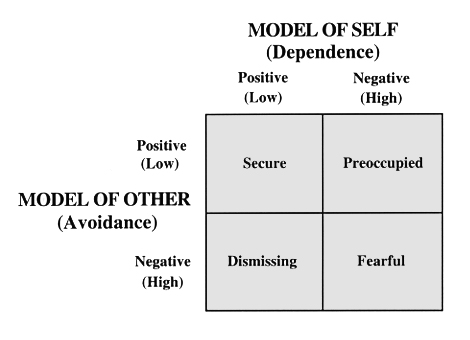
Erik Erikson’s psychosocial development theory posited that individuals progress through stages as they age. Within each stage, they face a crisis or choice, and the way in which they resolve it will affect them throughout their lifetime. John Bowlby took particular note of the “trust verses mistrust” conflict of the infant stage, and developed attachment theory. Attachment theory agrees with psychosocial development in the belief that development is affected by experience as well as biology. It specifically considers the way in which a small child interacts with his or her caregiver—and the way in which the caregiver responds to the child--in relation
to the wellbeing and subsequent success of the child. Mary Ainsworth developed the “strange situation” study, which allowed researchers to empirically study attachment behaviors in infants. While Bowlby and Ainsworth’s research (as well as Erikson’s first stage) focus primarily on infant-to-caregiver attachment, some contemporary theorists are extending attachment theory to adult relationships as well.
“In the 50 years since Bowlby and Ainsworth’s initial work in attachment theory, its basic premises have become well recognized and largely accepted into mainstream psychology and into popular culture as well” (Berghaus, 2011). While studies such as Ainsworth’s give clear validity to attachment theory in infants, modern researchers disagree on whether it is appropriate to apply the theory to adults. Some theorists—as well as popular culture--do so readily, but Barry J. Berghaus does not. He cites studies showing that the attachment style of a person in infancy does not necessarily predict their attachment style as adults; in fact, the correlation ranges from .20-.50 (Fraley, 2010). Berghaus explains that “attachment theorists simply accept/presume that internal working models exist, and from there assume that internal working models have a causal relationship with behavior” (2011). So, in spite of the popularity of attachment theory, Berghaus maintains that attachment theory—at least in relation to adults--is actually more philosophical than empirically based.
-------------------------
Attachment Theory was named and first written about by John Bowlby (Bretherton, 1992), however both Mary Ainsworth and Harry Harlow made significant contributions to it by doing formal studies which validated parts of the theory (Bretherton, 1992; Harlow, 1958). It is a contemporary theory, with the earliest written works being published in 1958, and research continuing in the present day. Bowlby was unique at the time for suggesting that there was a “possibility of helping children by helping parents” (Bretherton, 1992); in other words, that children who were not developing ideally could show improvement if their parents responded to them more reliably or affectionately. Bowlby believed strongly in the role of nurture in human development, and emphasized social networks as well as the parent-child relationship, and “[called] to society to provide support for parents,” (Bretherton, 1992), but those parts of his theory have often overlooked or ignored by subsequent researchers, who have focused on one-to-one attachments. “Bowlby also took great pains to draw a clear distinction between the old social learning theory concept of dependency and the new concept of attachment, noting that attachment is not indicative of regression, hut rather performs a natural, healthy function even in adult life” (Bretherton, 1992). While some recent theorists argue whether attachment theory can appropriately be applied to adults (Berghaus, 2011), others have found positive correlations between secure attachment in early childhood and increased IQ scores, or secure attachment patterns in adult romantic relationships (Fraley, 2010). The correlations vary in strength, and thus they can be hotly debated.
Though attachment theory seems to apply for small children in cultures around the world (Bretherton, 1992), the percentages of children who develop each type of attachment varies, almost certainly due to cultural norms about parenting (for example whether the children are routinely left with a non-parent caregiver, or how often they are held). Since children in diverse cultures can still become healthy adults, one must question whether one style of attachment is necessarily better than another, or whether the important thing is simply for the parent to be reliably responsive to the child. Attachment theory might have a more universal application if the definitions of types of attachment were broadened.
One area where attachment theory does not seem to work is with autism. The “ideal” form of attachment (secure attachment) is defined in part as a child who experiences separation anxiety when the parent leaves, and seeks comfort from them when they return, but autistic children often refuse physical contact because it overstimulates them, and may prefer to be solitary, even when very young (Grandin, 1996).
Resources
Berghaus, B. J. (2011). A new look at attachment theory & adult “attachment” behavior. Behaviorology Today, 14(2), 3-10. Retrieved from
http://www.behaviorology.org/pdf/AttachmentTheoryBeh.pdf
Berk, L. E. (2010). Development through the lifespan (5th ed.). Boston, MA: Allyn & Bacon.
Bretherton, I. (1992). The origins of attachment theory: John Bowlby and Mary Ainsworth. Retrieved from http://www.psychology.sunysb.edu/attachment/online/inge_origins.pdf
Fraley, R. C. (2010). A brief overview of adult attachment theory and research. Retrieved from http://internal.psychology.illinois.edu/~rcfraley/attachment.htm
Grandin, T. (1996). Thinking in pictures: and other reports from my life with autism. New York: Vintage.
Harlow, H. F. (1958) The nature of love. First published in American Psychologist, 13, 673-685. Retrieved from http://psychclassics.yorku.ca/Harlow/love.htm
“Attachment is an integral part of human nature from the cradle to the grave” John Bowlby
Erik Erikson’s psychosocial development theory posited that individuals progress through stages as they age. Within each stage, they face a crisis or choice, and the way in which they resolve it will affect them throughout their lifetime. John Bowlby took particular note of the “trust verses mistrust” conflict of the infant stage, and developed attachment theory. Attachment theory agrees with psychosocial development in the belief that development is affected by experience as well as biology. It specifically considers the way in which a small child interacts with his or her caregiver—and the way in which the caregiver responds to the child--in relation
to the wellbeing and subsequent success of the child. Mary Ainsworth developed the “strange situation” study, which allowed researchers to empirically study attachment behaviors in infants. While Bowlby and Ainsworth’s research (as well as Erikson’s first stage) focus primarily on infant-to-caregiver attachment, some contemporary theorists are extending attachment theory to adult relationships as well.“In the 50 years since Bowlby and Ainsworth’s initial work in attachment theory, its basic premises have become well recognized and largely accepted into mainstream psychology and into popular culture as well” (Berghaus, 2011). While studies such as Ainsworth’s give clear validity to attachment theory in infants, modern researchers disagree on whether it is appropriate to apply the theory to adults. Some theorists—as well as popular culture--do so readily, but Barry J. Berghaus does not. He cites studies showing that the attachment style of a person in infancy does not necessarily predict their attachment style as adults; in fact, the correlation ranges from .20-.50 (Fraley, 2010). Berghaus explains that “attachment theorists simply accept/presume that internal working models exist, and from there assume that internal working models have a causal relationship with behavior” (2011). So, in spite of the popularity of attachment theory, Berghaus maintains that attachment theory—at least in relation to adults--is actually more philosophical than empirically based.
-------------------------
Attachment Theory was named and first written about by John Bowlby (Bretherton, 1992), however both Mary Ainsworth and Harry Harlow made significant contributions to it by doing formal studies which validated parts of the theory (Bretherton, 1992; Harlow, 1958). It is a contemporary theory, with the earliest written works being published in 1958, and research continuing in the present day. Bowlby was unique at the time for suggesting that there was a “possibility of helping children by helping parents” (Bretherton, 1992); in other words, that children who were not developing ideally could show improvement if their parents responded to them more reliably or affectionately. Bowlby believed strongly in the role of nurture in human development, and emphasized social networks as well as the parent-child relationship, and “[called] to society to provide support for parents,” (Bretherton, 1992), but those parts of his theory have often overlooked or ignored by subsequent researchers, who have focused on one-to-one attachments. “Bowlby also took great pains to draw a clear distinction between the old social learning theory concept of dependency and the new concept of attachment, noting that attachment is not indicative of regression, hut rather performs a natural, healthy function even in adult life” (Bretherton, 1992). While some recent theorists argue whether attachment theory can appropriately be applied to adults (Berghaus, 2011), others have found positive correlations between secure attachment in early childhood and increased IQ scores, or secure attachment patterns in adult romantic relationships (Fraley, 2010). The correlations vary in strength, and thus they can be hotly debated.
Though attachment theory seems to apply for small children in cultures around the world (Bretherton, 1992), the percentages of children who develop each type of attachment varies, almost certainly due to cultural norms about parenting (for example whether the children are routinely left with a non-parent caregiver, or how often they are held). Since children in diverse cultures can still become healthy adults, one must question whether one style of attachment is necessarily better than another, or whether the important thing is simply for the parent to be reliably responsive to the child. Attachment theory might have a more universal application if the definitions of types of attachment were broadened.
One area where attachment theory does not seem to work is with autism. The “ideal” form of attachment (secure attachment) is defined in part as a child who experiences separation anxiety when the parent leaves, and seeks comfort from them when they return, but autistic children often refuse physical contact because it overstimulates them, and may prefer to be solitary, even when very young (Grandin, 1996).
Resources
Berghaus, B. J. (2011). A new look at attachment theory & adult “attachment” behavior. Behaviorology Today, 14(2), 3-10. Retrieved from
http://www.behaviorology.org/pdf/AttachmentTheoryBeh.pdf
Berk, L. E. (2010). Development through the lifespan (5th ed.). Boston, MA: Allyn & Bacon.
Bretherton, I. (1992). The origins of attachment theory: John Bowlby and Mary Ainsworth. Retrieved from http://www.psychology.sunysb.edu/attachment/online/inge_origins.pdf
Fraley, R. C. (2010). A brief overview of adult attachment theory and research. Retrieved from http://internal.psychology.illinois.edu/~rcfraley/attachment.htm
Grandin, T. (1996). Thinking in pictures: and other reports from my life with autism. New York: Vintage.
Harlow, H. F. (1958) The nature of love. First published in American Psychologist, 13, 673-685. Retrieved from http://psychclassics.yorku.ca/Harlow/love.htm
Laureate Education, Inc. (Executive Producer). (2010). Cognitive Development Theories. Retrieved from http://mym.cdn.laureate-media.com/Walden/CPSY/6215/03/downloads/WAL_CPSY6215_03_A_EN.pdf
Lifespan Learning Institute (Producer). (2009). John Bowlby attachment and loss. Retrieved from http://www.youtube.com/watch?v=VAAmSqv2GV8
Susskind, J. (2005). Social development. Encyclopedia of Human Development. Retrieved from
http://www.sage-ereference.com.ezp.waldenulibrary.org/humandevelopment/Article_n574.html
Thursday, October 13, 2011
The Na-na is Sleeping
I'm weaning Eagle. He'll be 2 next month and I'm ready for it. We've dealt with chronic thrush on and off for nearly a year (I nearly weaned him a couple of times) and I think we may just be giving it back and forth to each other. I need to start sleeping through the night and he's old enough to do so too.
I was going to wean him in conjunction with our move--I did that with Bear and it worked quite well. But it was not working well for Eagle. Perhaps it was because he was 6 months younger than Bear had been, and perhaps it was because this was a much higher stress transition, but he seemed to really need the comfort and attachment (and I did not have the energy to stick to non-nursing comfort measures) so that fell through.
I still wanted to wean him around his birthday, but wasn't sure how best to go about it.
Then I came across the book Nursies When the Sun Shines, which was written by a mama who was nightweaning her toddler. Basically she explained to her daughter that the nursies (or, as Eagle calls it, "na-na") goes to sleep when the sun goes to sleep. She used this method for nightweaning, but as soon as I saw it I realized that it would help us for full weaning.
Because we live in the arctic! So by late november or early december we won't have any real daylight at all. The sun will sleep 24/7. (Technically at solstice we have two hours between sunrise and sunset, but it doesn't amount to much light.) Following the light and dark seems better than picking an arbitrary day (like his birthday) and going cold turkey then.
So we've been going on a couple of weeks now, We started just after equinox, with nearly equal parts light and dark. We change by 7-8 minutes per day. On Sep 30 (the first day), sunrise was just before 9am and sunset was just after 8pm. Today sunrise is 9:45 and sunset at 7:30 (you can see a full calendar of the times here if you're curious). The first week we mostly focused on not nursing at night. Some nights went better than others, but he's adjusted pretty well, especially because he knows that he can still have na-na in the daytime. It's simple to just point to the window and show him that it's dark, and he'll cuddle up and accept it. He has been nursing more during the day, but I expected that. This last week we've been cutting out the bedtime nursing, as it's getting dark right about bedtime and if we're running late or he's not feeling sleepy then he may get pre-bedtime na-na, but it's gone to sleep before he does, so he can't nurse to sleep. We have had a couple of late nights and more than a few tears, but I know they are only tears of frustration (he's held and cuddled and has a water bottle and so on) and he is learning to go back to sleep without nursing.
I definitely feel better about doing this gradually and with a toddler than I would with a younger child. I still hold to all my reasons for extended breastfeeding, and I'm glad we stuck it out in spite of teeth and thrush and all the rest. Sometimes I feel guilty for pushing my kids to wean when they still love nursing, but I know that by age 2 their need for it changes to a want. And after two years my want for sleeping through the night I think validly becomes a need (especially with grad school and all those kids I babysit!). He's not a baby anymore, he'll be alright.
I was going to wean him in conjunction with our move--I did that with Bear and it worked quite well. But it was not working well for Eagle. Perhaps it was because he was 6 months younger than Bear had been, and perhaps it was because this was a much higher stress transition, but he seemed to really need the comfort and attachment (and I did not have the energy to stick to non-nursing comfort measures) so that fell through.
I still wanted to wean him around his birthday, but wasn't sure how best to go about it.
Then I came across the book Nursies When the Sun Shines, which was written by a mama who was nightweaning her toddler. Basically she explained to her daughter that the nursies (or, as Eagle calls it, "na-na") goes to sleep when the sun goes to sleep. She used this method for nightweaning, but as soon as I saw it I realized that it would help us for full weaning.
Because we live in the arctic! So by late november or early december we won't have any real daylight at all. The sun will sleep 24/7. (Technically at solstice we have two hours between sunrise and sunset, but it doesn't amount to much light.) Following the light and dark seems better than picking an arbitrary day (like his birthday) and going cold turkey then.
So we've been going on a couple of weeks now, We started just after equinox, with nearly equal parts light and dark. We change by 7-8 minutes per day. On Sep 30 (the first day), sunrise was just before 9am and sunset was just after 8pm. Today sunrise is 9:45 and sunset at 7:30 (you can see a full calendar of the times here if you're curious). The first week we mostly focused on not nursing at night. Some nights went better than others, but he's adjusted pretty well, especially because he knows that he can still have na-na in the daytime. It's simple to just point to the window and show him that it's dark, and he'll cuddle up and accept it. He has been nursing more during the day, but I expected that. This last week we've been cutting out the bedtime nursing, as it's getting dark right about bedtime and if we're running late or he's not feeling sleepy then he may get pre-bedtime na-na, but it's gone to sleep before he does, so he can't nurse to sleep. We have had a couple of late nights and more than a few tears, but I know they are only tears of frustration (he's held and cuddled and has a water bottle and so on) and he is learning to go back to sleep without nursing.
I definitely feel better about doing this gradually and with a toddler than I would with a younger child. I still hold to all my reasons for extended breastfeeding, and I'm glad we stuck it out in spite of teeth and thrush and all the rest. Sometimes I feel guilty for pushing my kids to wean when they still love nursing, but I know that by age 2 their need for it changes to a want. And after two years my want for sleeping through the night I think validly becomes a need (especially with grad school and all those kids I babysit!). He's not a baby anymore, he'll be alright.
Monday, October 3, 2011
Read to your Kids
Reason #339 that you should read to your kids every day?
In the middle of the night, when Eagle woke up and was sad because I would not nurse him (we're nightweaning), he went and brought me a book (and then another and another).
And I "read" them to him in the dark, from memory, because I knew the books without having to turn on a light.
And the boy was happy (even though he couldn't see the pictures any more than I could see the words) simply because mommy was reading to him.
And he went to sleep.
In the middle of the night, when Eagle woke up and was sad because I would not nurse him (we're nightweaning), he went and brought me a book (and then another and another).
And I "read" them to him in the dark, from memory, because I knew the books without having to turn on a light.
And the boy was happy (even though he couldn't see the pictures any more than I could see the words) simply because mommy was reading to him.
And he went to sleep.
Tuesday, September 20, 2011
Ain't Nobody Perfect
Recently a friend of mine watched my kids (all three of them) for a few hours while my husband and I were dealing with moving-related stuff. When we got back, she pulled me aside and apologized. She said she felt like she hadn’t been a great parent to them all (my kids and hers), as she had gotten frustrated and yelled at them a couple of times. She clarified that she had yelled at everybody, not picking on anyone in particular, but she still felt badly about it. I should back up and mention that we had been staying with them for several days, and all the kids had gotten each other riled up multiple times and everybody was getting on everybody elses nerves to some degree I think. In any case, I told her that I was on my last nerves too and that I certainly didn’t think any less of her as a person or as a parent for yelling at kids sometimes. She said that she has this perception of me as “an enigma of good parenting” and she was sure she wasn’t measuring up to how I would have handled things if I had been there.
If her concern had not been so serious, I might have laughed. Me? An enigma of good parenting? Oh boy.
So I’m here today to set the record straight.
I have a lot of ideas and beliefs about parenting, many of which I share here on my blog. These are things I genuinely believe in and genuinely try to do.
These are also things I fail at regularly.
I take the time to think about things, and try to come up with what I feel is the best way to raise and guide my children. But habits and frustrations and mental blanks at stressful moments all leave me doing things which are very much not within the realm of my ideals.
In other words, I yell at my kids plenty. Theoretically I speak with them calmly afterward, apologizing for yelling and trying to help them appreciate my frustration and work on a solution in a more peaceable manner… but honestly there are some times when I do that and other times when I feel entirely justified in yelling at a kid who knows better but is doing ______ for the umpteenth time anyway. I’m just human, just like we all are. Some things I’m good at, others I’m working on. But I’m not perfect at anything.
I told my friend I did not think less of her as a person or as a parent for having yelled at the kids. Based on what I’ve seen of her parenting, if she yelled at my kids then they probably earned it. And when we got home I took all the kids for a couple of hours and she got to go have some quiet time to herself browsing the bookstore for a while.
We all try. We all have epic fails at least part of the time. The point is not whether we fail, but whether we get up and try again.
If her concern had not been so serious, I might have laughed. Me? An enigma of good parenting? Oh boy.
So I’m here today to set the record straight.
I have a lot of ideas and beliefs about parenting, many of which I share here on my blog. These are things I genuinely believe in and genuinely try to do.
These are also things I fail at regularly.
I take the time to think about things, and try to come up with what I feel is the best way to raise and guide my children. But habits and frustrations and mental blanks at stressful moments all leave me doing things which are very much not within the realm of my ideals.
In other words, I yell at my kids plenty. Theoretically I speak with them calmly afterward, apologizing for yelling and trying to help them appreciate my frustration and work on a solution in a more peaceable manner… but honestly there are some times when I do that and other times when I feel entirely justified in yelling at a kid who knows better but is doing ______ for the umpteenth time anyway. I’m just human, just like we all are. Some things I’m good at, others I’m working on. But I’m not perfect at anything.
I told my friend I did not think less of her as a person or as a parent for having yelled at the kids. Based on what I’ve seen of her parenting, if she yelled at my kids then they probably earned it. And when we got home I took all the kids for a couple of hours and she got to go have some quiet time to herself browsing the bookstore for a while.
We all try. We all have epic fails at least part of the time. The point is not whether we fail, but whether we get up and try again.
Monday, August 29, 2011
Link Roundup
Alaska:
Orange Goo at Alaskan Village found to be Fungal Spore, Not Eggs at NPR (news story about a town not far from here...it's in our same school district).
Attachment Parenting:
Babywearing Through the Ages at 9 Davids (lots of fun babywearing pictures from all over the world and all over the timeline)
Believing "children are resiliant" may be a fantasy at Psychology Today (discussing resilience or 'surviving' as opposed to thriving, and some educated guesses as to why kids today are not doing very well...science vindicates attachment parenting yet again).
Funny:
How Harry Potter Should Have Ended (youtube video, thoroughly amusing, although only if you're familiar with the stories and movies)
Intactivism:
Intact or Circumcised: A Significant Difference in the Adult Penis by DrMomma (this post has some graphic photos, but they are very educational as well).
Kids do the Darndest Things:
Kids do the Darndest Things (I've been adding new stories to the blog...if you haven't been there in a while, go visit! also, there's a new URL)
Makin' Stuff:
5 ingredient (vanilla) ice cream recipe from allrecipes.com (and I can verify the validity of the freezing method--which does not require an ice cream maker--although I recommend stirring every 20-30 min after that first hour).
My Faith:
Hi, I'm Jenni. I'm an intellectual, granola mom, and miscarriage activist living on the Last Frontier. I'm a Mormon. (My new "I'm a Mormon" profile, which I actually submitted last spring but they take a while to get them actually up).
Fasting For the Goddess at Daughters of Mormonism (a podcast interview with a dear friend of mine, who has proposed that if we want to know more about Mother in Heaven, we should pray for answers--and she offers up the third sunday of each month as a time to join together in doing so)
Saying Goodbye to my LDS Home at Project Conversion (if you haven't seen this blog, it's very cool. A guy giving 12 religions a legitimate try for a month each...July was mormon month, and this is his final post with some of his conclusions about the faith)
And I will end with a quote from this last link:
Orange Goo at Alaskan Village found to be Fungal Spore, Not Eggs at NPR (news story about a town not far from here...it's in our same school district).
Attachment Parenting:
Babywearing Through the Ages at 9 Davids (lots of fun babywearing pictures from all over the world and all over the timeline)
Believing "children are resiliant" may be a fantasy at Psychology Today (discussing resilience or 'surviving' as opposed to thriving, and some educated guesses as to why kids today are not doing very well...science vindicates attachment parenting yet again).
Funny:
How Harry Potter Should Have Ended (youtube video, thoroughly amusing, although only if you're familiar with the stories and movies)
Intactivism:
Intact or Circumcised: A Significant Difference in the Adult Penis by DrMomma (this post has some graphic photos, but they are very educational as well).
"If we surgically amputate the eyelids or fingernails, we will face the repercussions of making an organ that was designed to be internal, external. In order to survive this damage, the organ must adapt...it is the same with the glans of the penis..."
Kids do the Darndest Things:
Kids do the Darndest Things (I've been adding new stories to the blog...if you haven't been there in a while, go visit! also, there's a new URL)
Makin' Stuff:
5 ingredient (vanilla) ice cream recipe from allrecipes.com (and I can verify the validity of the freezing method--which does not require an ice cream maker--although I recommend stirring every 20-30 min after that first hour).
My Faith:
Hi, I'm Jenni. I'm an intellectual, granola mom, and miscarriage activist living on the Last Frontier. I'm a Mormon. (My new "I'm a Mormon" profile, which I actually submitted last spring but they take a while to get them actually up).
Fasting For the Goddess at Daughters of Mormonism (a podcast interview with a dear friend of mine, who has proposed that if we want to know more about Mother in Heaven, we should pray for answers--and she offers up the third sunday of each month as a time to join together in doing so)
Saying Goodbye to my LDS Home at Project Conversion (if you haven't seen this blog, it's very cool. A guy giving 12 religions a legitimate try for a month each...July was mormon month, and this is his final post with some of his conclusions about the faith)
And I will end with a quote from this last link:
This reaction, of thanking me for just listening, is a common theme I find with all the faiths. People don’t want to argue or convince me that every other faith is wrong, they just want people to give them a chance–to listen instead of criticize or judge. It surprises me every time it happens.
Are we that bad at listening? Why are we so quick to condemn those who think differently than we do?
You know, I used to think that I was doing something unique with Project Conversion, that I might start some theological revolution, but the more I do this the more I realize that all I’m doing is listening. When my kids were babies, they cried to communicate. I can’t imagine how frustrating it must be for an infant trying to communicate and no one listens or understands. Is that what religious strife is, everyone fighting, pitching a fit because we stopped listening to one another?
“Well, I don’t understand those people. They do things differently so how can I listen or even want to?”Here’s a suggestion: Take a year of your life and devote it to living among, listening to, and devoting yourself to those outside your current orbit of understanding. That’s right. That means turning off the talking heads on that right-wing, left-wing or no wing cable channel and learn something for yourself. Want to know what a Hindu really thinks? Ask a Hindu and then ask about ten more because they each have different ideas. Did you know it’s the same way with other faiths?
Monday, July 12, 2010
On Presence and Remembering
Today's post is not for those with a weak constitution. Consider yourself warned.
The other day I was in a waiting room and picked up a magazine. I flipped through it as I waited for my appointment, and happened to read this article. It made me feel a bit sick to my stomach, and has been on my mind ever since, and I knew I needed to write something about this. The article is about children left in hot cars who die because they overheat. It's horrific just to think about poor infants and toddlers strapped into carseats, hardly able to move let alone escape, and trapped alone as they are baked to death. In looking for a link to the original article, I found Fatal Distraction in the Washington Post. It is a much longer article than the other, and even more likely to make you feel sick (it has multiple stories, and excerpts from medical examiners about what exactly happens to the children). With that said, it's still probably worth reading.
As this page shows, in some cases (18%) the adult intentionally left the child, probably for a brief errand, but cars can get very hot very fast (20 degrees in 10 minutes). In about 30% of cases the child was playing in an unattended vehicle. In over 50% of cases however, it was a matter of the caregiver forgetting that the child was in the car at all, and leaving them for hours. (Sick as it is, Alaska actually has a law allowing people to bring minor children into bars, because too many children had been left in vehicles and frozen to death while the parent went in for a drink...) The vast majority of children who died were two or younger--so most of them were strapped into rear-facing carseats where the driver could not see them from the front seat. As laws have increased vehicle safety on one front, they are increasing danger on another, and we as parents must be vigilant.
We all want to think that we are the parents who would never forget that our kid was in the car, but in fact over the last decade an average of 37 children have died this way each year in the USA, and their parents are not neglectful, merely forgetful. The same way one might forget to pick up milk on the way home, or forget to recharge the cell phone, so one can forget that a child is in the car...at least, that is what the articles say. Our brains are not as fancy as we think, and forgetting is forgetting.
As the content of the article swirled around and around in my head, something leaped out at me. We all think this will never happen to us...but I think that for some of us it really never would. At the very least, the chances are very very much reduced. Why do I think I can say that of myself? Simple: I'm not in the habit of being anywhere without my kids.
Most of the parents who left their child in the car had forgotten to drop off the child at daycare or a babysitter--the child had fallen asleep or something like that, and the parent simply went to work as usual and didn't realize the mistake until hours later. They were not accustomed to having their child as a constant part of their daily routine, so the absence of the child was not noticed.
For me, the default is to have my kids with me. Even when I do leave them with a sitter I find that my mind is often on my children rather than on where I am or what I'm doing. Am I obsessive? Perhaps, but more than that, I am living in the present. My children will only be young for a short time, and so for this time, I am with them--really with them--because I will have plenty of life without them, so I don't want to lose these precious years. Does it get tiring? Oh sure, some days bedtime just can't come fast enough...but while the days may be long, the years are short, and I'm just not willing to leave my children regularly while I go do...what?
I'm not trying to sound holier-than-they, but this topic has definitely led me to think that this is yet another good reason for mothers to be home with their children. I'm sure it's possible for a stay-at-home-parent to forget a child in the car...possible...but of the dozen stories told in the articles, every single one involved a working parent getting distracted by the routine or business of the day, and forgetting that the child was in the car. Every.Single.One. If your child is not part of your normal routine, then you probably won't notice if he's missing.
It's food for thought anyway.
In the meantime, the articles had several good suggestions for protecting your children against your own mental lapses:
The other day I was in a waiting room and picked up a magazine. I flipped through it as I waited for my appointment, and happened to read this article. It made me feel a bit sick to my stomach, and has been on my mind ever since, and I knew I needed to write something about this. The article is about children left in hot cars who die because they overheat. It's horrific just to think about poor infants and toddlers strapped into carseats, hardly able to move let alone escape, and trapped alone as they are baked to death. In looking for a link to the original article, I found Fatal Distraction in the Washington Post. It is a much longer article than the other, and even more likely to make you feel sick (it has multiple stories, and excerpts from medical examiners about what exactly happens to the children). With that said, it's still probably worth reading.
As this page shows, in some cases (18%) the adult intentionally left the child, probably for a brief errand, but cars can get very hot very fast (20 degrees in 10 minutes). In about 30% of cases the child was playing in an unattended vehicle. In over 50% of cases however, it was a matter of the caregiver forgetting that the child was in the car at all, and leaving them for hours. (Sick as it is, Alaska actually has a law allowing people to bring minor children into bars, because too many children had been left in vehicles and frozen to death while the parent went in for a drink...) The vast majority of children who died were two or younger--so most of them were strapped into rear-facing carseats where the driver could not see them from the front seat. As laws have increased vehicle safety on one front, they are increasing danger on another, and we as parents must be vigilant.
We all want to think that we are the parents who would never forget that our kid was in the car, but in fact over the last decade an average of 37 children have died this way each year in the USA, and their parents are not neglectful, merely forgetful. The same way one might forget to pick up milk on the way home, or forget to recharge the cell phone, so one can forget that a child is in the car...at least, that is what the articles say. Our brains are not as fancy as we think, and forgetting is forgetting.
As the content of the article swirled around and around in my head, something leaped out at me. We all think this will never happen to us...but I think that for some of us it really never would. At the very least, the chances are very very much reduced. Why do I think I can say that of myself? Simple: I'm not in the habit of being anywhere without my kids.
Most of the parents who left their child in the car had forgotten to drop off the child at daycare or a babysitter--the child had fallen asleep or something like that, and the parent simply went to work as usual and didn't realize the mistake until hours later. They were not accustomed to having their child as a constant part of their daily routine, so the absence of the child was not noticed.
For me, the default is to have my kids with me. Even when I do leave them with a sitter I find that my mind is often on my children rather than on where I am or what I'm doing. Am I obsessive? Perhaps, but more than that, I am living in the present. My children will only be young for a short time, and so for this time, I am with them--really with them--because I will have plenty of life without them, so I don't want to lose these precious years. Does it get tiring? Oh sure, some days bedtime just can't come fast enough...but while the days may be long, the years are short, and I'm just not willing to leave my children regularly while I go do...what?
I'm not trying to sound holier-than-they, but this topic has definitely led me to think that this is yet another good reason for mothers to be home with their children. I'm sure it's possible for a stay-at-home-parent to forget a child in the car...possible...but of the dozen stories told in the articles, every single one involved a working parent getting distracted by the routine or business of the day, and forgetting that the child was in the car. Every.Single.One. If your child is not part of your normal routine, then you probably won't notice if he's missing.
It's food for thought anyway.
In the meantime, the articles had several good suggestions for protecting your children against your own mental lapses:
- Put the younger (or quieter) child on the passenger's side (not right behind the driver) so that the driver will be more likely to see the child in the rearview mirror.
- Always put your purse or diaper bag in the back, next to the carseat, so that you have to go back there to get it when you arrive at your destination. (I do this, though I never thought of it as protective of my child, I will certainly continue to do it)
- Consider keeping a teddy bear or other toy in the carseat--when you put the child in, move the toy to the front seat (where you can see it).
- Never assume that someone else has gotten the baby--check for yourself that the carseat is empty.
- Always check the carseat when you get out of the car, even if you *know* there's nobody in it. Just make a habit to always check anyway.
Monday, March 1, 2010
A "Crunchy" Mama
(I started this post a looong time ago, then I got morning sick, then I didn't get around to finishing it...but I still wanted to post it so here goes!)
So, I labeled myself as a crunchy mama, then Jenn over at BabyMakinMachine asked me what it meant, so I tried to explain, and it led to her writing this post in which she pondered crunchiness and whether it was for her. That post then led to nearly 50 comments (most of them lengthy and some of them quite heated)... and I concluded that I was gonna just lay it all out.
I think Jenn put it quite fairly when she suggested that perhaps there's a middle level, somewhere between 'crunchy' and 'soggy' (or mainstream) which might be called 'chewy.' I find myself chewy in a number of things, because I'm not nearly so far off the beaten path as many of my uber-crunchy friends. On the other hand, I'm pretty far off the beaten path!
My reasons for being crunchy (or chewy) come from one main thing, and that is that I believe in questioning the status quo, and doing my own research about things, so that I can make my own decisions about what is best for me and my family. Again and again I discover that mainstream practices were born of the greedy side of capitalism (not that capitalism is evil in and of itself, but the associated greediness certainly is...) and that the things that really seem best are falling into this category called "crunchy." Here are my few basic tenets:
I believe in not messing with the way God made things
I believe that Godmade is better than manmade
I believe in logic
Come back tomorrow and hear about my "soggy side"
So, I labeled myself as a crunchy mama, then Jenn over at BabyMakinMachine asked me what it meant, so I tried to explain, and it led to her writing this post in which she pondered crunchiness and whether it was for her. That post then led to nearly 50 comments (most of them lengthy and some of them quite heated)... and I concluded that I was gonna just lay it all out.
I think Jenn put it quite fairly when she suggested that perhaps there's a middle level, somewhere between 'crunchy' and 'soggy' (or mainstream) which might be called 'chewy.' I find myself chewy in a number of things, because I'm not nearly so far off the beaten path as many of my uber-crunchy friends. On the other hand, I'm pretty far off the beaten path!
My reasons for being crunchy (or chewy) come from one main thing, and that is that I believe in questioning the status quo, and doing my own research about things, so that I can make my own decisions about what is best for me and my family. Again and again I discover that mainstream practices were born of the greedy side of capitalism (not that capitalism is evil in and of itself, but the associated greediness certainly is...) and that the things that really seem best are falling into this category called "crunchy." Here are my few basic tenets:
- I believe in not messing with the way God made things.
- I believe that Godmade is better than manmade, and should be utilized if available.
- I believe in avoiding unnecessary interventions/chemicals
- I believe in respecting people and the Earth.
- I believe in logic
- I believe in making things cheap, easy, and comfortable unless there's a good reason not to (you got it folks, I'm lazy!).
I believe in not messing with the way God made things
- My body gives me signs every month of what is going on with my fertility, so I observe them and take notes rather than trying to control or change them.
- My body makes milk for my baby, therefore, I should give it to the baby.
- God made baby boys with foreskins. End of discussion.
- If you're gonna drink cow milk (which is actually made for baby cows you know), then at least drink it whole, or even raw. Its vitamins are fat-soluable, so if you want the nutritive benefits of it, you'd better be getting the fat with it. Oh, and the low/no-fat versions have petroleum in them, just FYI.
- God made some people women, and some people men, and then He gave them each bodies built to fulfill certain roles, therefore I birth and nurture children and keep our home, while my husband provides for and protects our family.
I believe that Godmade is better than manmade
- So infant formula is only for emergencies, not for the average baby.
- Food out of the dirt or off a tree = good, food out of a box = not so good.
- If there's an herb that fits the bill, then I don't want some chemically formulated pill. Ideally I'd like nothing at all.
- I think HFCS (high fructose corn syrup) is bad news...I'm trying to restrict it in our diet, though I doubt we'll manage to remove it entirely.
- Partially hydrogenated anything = evil
- I believe in butter. Margarine is the devil (also it tastes like BLECH).
- I've recently found that I vastly prefer natural fibers (cotton, wool, hemp, bamboo) over almost all of the synthetics. Especially now that Eagle seems to break out when he wears synthetics.
- I don't typically wear makeup--I wear the face God gave me.
- The vast majority of women's bodies can give birth without intervention, so they should be allowed to do so.
- If my child is exploring, I don't get in the way unless injury is imminent.
- If (older) kids disagree, I try to help them work it out, rather than stepping in and taking over.
- I think that antibiotics are making superbugs, so I don't use antibacterial soaps or products in my home, and would not seek (or take) a prescription for an antibiotic unless there were a good reason for it (such as post-surgery).
- I don't wear makeup (most of it is toxic to some degree)
- I don't use scented soaps/lotions/shampoos/detergents.
- I try to boycott companies that treat their employees badly (such as Walmart)
- My children do not call adults by their first names. If an adult is more than a few years older than myself *I* usually do not call them by their first name.
- I think it's offensive to do cosmetic surgery on an infant boy's private parts without his permission.
- I follow my infant's schedule, rather than demanding that he follow mine.
- I don't let a small infant cry. I don't let an older child cry for long.
- I try to be gentle and respectful in my parenting.
- I try to take care of myself by eating (relatively) well and dressing modestly
- If I can tell that my infant needs to poop, I often remove his diaper and hold him over the toilet. There's no reason to force him to sit in his own waste for even a moment if I can help it.
- I try to support local farmers, and sustainable farming practices
- I recycle
- I buy second-hand if I can
- I re-use or re-purpose things because I don't throwing away good fabric/wood/etc
- I try to be minimalist
- I try to stock my kitchen (and my kids' toyboxes) with things that will last--things made from wood, metal, or glass.
- I use recycled packaging when I mail things
- I use cloth diapers, wipes, rags, etc. (I do use cloth pads, but this was a very secondary reason for it--the primary reason is below)
I believe in logic
- I make milk + baby is hungry = give the kid a boob!
- I need sleep + baby needs sleep + baby needs to eat during the night = let's all sleep in the same place
- Babies like to be held + mommy needs to get stuff done = babywearing
- Children learn by example, therefore I should be gentle with them if I want them to learn to be gentle with me or anyone else.
- I see the sense in some vaccines (though not all) but I also see the dangers...so the ones we get we get on a spread-out schedule.
- I use cloth pads and cloth diapers because fabric is more comfortable than plastic on tender parts.
- babywearing is cheaper and easier than strollers and carriers (and doesn't require smooth sidewalks, of which we have precious few here!)
- I re-use or re-purpose things because I don't want to spend the money to buy new ones.
- I don't wear makeup--I've got the face I've got and if you don't like it then don't look, I'm not going to paint it for anybody.
Come back tomorrow and hear about my "soggy side"
Monday, February 15, 2010
Sleep, Glorious Sleep!!
It's the plague of the mother with young children--the lack of sleep. It's the reason that books about teaching children to sleep become bestsellers. It's the reason that things like letting a baby "cry-it-out" are considered acceptable. Mom has to be able to get her sleep or she won't be able to function.
Trust me, I understand. In the average day I need to prepare at least one large balanced meal (lunch is usually leftovers from prior days, and breakfast is typically simple, but I generally spend a good hour on dinner). I chase a toddler around all day. I break up world war III (or IV or V) between my sons on a regular basis. I clean the house. I sew or knit. I may have errands to run or people to see. And yeah, I spend some time online chatting with friends, commenting on their facebook statuses, and attempting to enlighten the world via my blog. Yes, I need my sleep as much as anyone.
But I don't believe in leaving a baby alone to cry. I think it's psychologically damaging to a young infant to abandon them like that. (Go ahead, feel offended, this is my blog, I'm going to give my opinion!) ☺
So what is my solution? Simple: co-sleeping.
Co-sleeping can mean several different things. It might mean bedsharing (where the infant is in bed with mother). It might mean having a sidecar bed (where the infant's bed is adjacent to mother's). It might mean having the baby in his own bed across the room from mom--but still in the same room. The point is not the exact sleeping arrangement, the point is that they are sharing sleep.
Many breastfeeding mothers choose bedsharing because they can literally just half-wake, slip the breast into the baby's mouth, and drift back to sleep. Bear shared our bed until he was past 2. He also didn't night wean until then. Both Hubby and I would have preferred to have him move into his own bed (and nightwean) a little earlier than he did, but every kid is different and that was just what Bear seemed to need at the time.
Some people have difficulty with bedsharing because they get 'touched-out' and need some space in order to sleep soundly. My sister is one of these people, and my little Eagle is another. My sister puts her babies in their own bed near hers, so that she can attend to them when they need her, but she can still sleep between times. Eagle enjoys snuggles during bedtime, but once he's asleep he stays asleep much longer if I put him in the sidecar crib rather than keeping him nestled next to me.
Here is our current arrangement:
If you look at that and think "gosh, you have to climb to get into bed" then you're right, I do. But that's how our room is laid out, and you know, it's ok. For one thing, since Eagle is breastfed then when I wake up with him I don't have to get up, I just wake up enough to feed him, then lay him back down. Yes, sometimes I go back to sleep with him snuggled in next to me, but sometimes I don't. One of the nice things about having the sidecar there is that it's available if I want it, but it's convenient to have him in bed with me too--and because of the sidecar being right there I don't worry about him falling or rolling off the edge of the bed.
(And no, we don't usually make the bed--you're right that is a bit of a hassle with the crib there--but we didn't usually make it before anyway. Today I made it specially for taking this photo for you. Don't you feel special?!)
Eagle seems to like the arrangement ♥
Trust me, I understand. In the average day I need to prepare at least one large balanced meal (lunch is usually leftovers from prior days, and breakfast is typically simple, but I generally spend a good hour on dinner). I chase a toddler around all day. I break up world war III (or IV or V) between my sons on a regular basis. I clean the house. I sew or knit. I may have errands to run or people to see. And yeah, I spend some time online chatting with friends, commenting on their facebook statuses, and attempting to enlighten the world via my blog. Yes, I need my sleep as much as anyone.
But I don't believe in leaving a baby alone to cry. I think it's psychologically damaging to a young infant to abandon them like that. (Go ahead, feel offended, this is my blog, I'm going to give my opinion!) ☺
So what is my solution? Simple: co-sleeping.
Co-sleeping can mean several different things. It might mean bedsharing (where the infant is in bed with mother). It might mean having a sidecar bed (where the infant's bed is adjacent to mother's). It might mean having the baby in his own bed across the room from mom--but still in the same room. The point is not the exact sleeping arrangement, the point is that they are sharing sleep.
Many breastfeeding mothers choose bedsharing because they can literally just half-wake, slip the breast into the baby's mouth, and drift back to sleep. Bear shared our bed until he was past 2. He also didn't night wean until then. Both Hubby and I would have preferred to have him move into his own bed (and nightwean) a little earlier than he did, but every kid is different and that was just what Bear seemed to need at the time.
Some people have difficulty with bedsharing because they get 'touched-out' and need some space in order to sleep soundly. My sister is one of these people, and my little Eagle is another. My sister puts her babies in their own bed near hers, so that she can attend to them when they need her, but she can still sleep between times. Eagle enjoys snuggles during bedtime, but once he's asleep he stays asleep much longer if I put him in the sidecar crib rather than keeping him nestled next to me.
Here is our current arrangement:
If you look at that and think "gosh, you have to climb to get into bed" then you're right, I do. But that's how our room is laid out, and you know, it's ok. For one thing, since Eagle is breastfed then when I wake up with him I don't have to get up, I just wake up enough to feed him, then lay him back down. Yes, sometimes I go back to sleep with him snuggled in next to me, but sometimes I don't. One of the nice things about having the sidecar there is that it's available if I want it, but it's convenient to have him in bed with me too--and because of the sidecar being right there I don't worry about him falling or rolling off the edge of the bed.
(And no, we don't usually make the bed--you're right that is a bit of a hassle with the crib there--but we didn't usually make it before anyway. Today I made it specially for taking this photo for you. Don't you feel special?!)
You can see that my bed is scooted right against his, and that they are the same height. I have a few things in the bed there with him too. First, a small pillow (to keep him sleeping on an incline, so that he doesn't get stuffed up). I lay a cotton blanket out under him (over the pillow) and then I grab a crochet blanket or two to put over him--I like using them because they are warm but they are also full of holes--so I don't have to worry about him accidentally pulling it over his face because he would be able to breathe through it.
One thing that has proven to be very convenient about the sidecar arrangement is that I keep a little box there. It has my water bottle and chapstick, gripe water, diaper cream, the binkie, a burp cloth or two, plus some wipes and my nighttime diapers. They are always right at hand so I don't have to clamber out of the bed for anything during the night. If you look back to the first photo, you can see that there is also a pair of wool longies hanging over the end of the crib...I often put them there to air out because I always use them at night.
Eagle seems to like the arrangement ♥
Friday, January 22, 2010
Breastfeeding among Great Apes
I just read a fascinating post about great apes and when they wean.
Of course there is variation between the species, but they all nurse until at least 3 years, and some routinely nurse until 5 or 6 or even 7. Their biological development is similar to ours (how and how long it takes the brain to develop for example), so then logically humans' "natural" weaning time is probably in a similar time frame.
I'm not saying that we all need to nurse our kids until they start kindergarten, but I do think the oft-preached practice of weaning at 12 months does a great disservice to the average child (and mother). My plan was always for 2 years. I nursed Bear several months longer than that because he wanted it, but weaned him at about 2 1/2. At 12 months old he was actually still consuming more breastmilk than solid foods--it would have been hard on both of us to make him give up his primary source of nutrition. Besides which, the older a child is when he is introduced to a new food, the less likely it is that he will have an allergic reaction to it.
Eagle I will nurse until we reach some mutually agreeable age--it will probably be around 2 as well. There is a huge difference in the maturity of a child between age 1 and age 2, both physically and emotionally. So that is why I continue to believe in extended breastfeeding.
Of course there is variation between the species, but they all nurse until at least 3 years, and some routinely nurse until 5 or 6 or even 7. Their biological development is similar to ours (how and how long it takes the brain to develop for example), so then logically humans' "natural" weaning time is probably in a similar time frame.
I'm not saying that we all need to nurse our kids until they start kindergarten, but I do think the oft-preached practice of weaning at 12 months does a great disservice to the average child (and mother). My plan was always for 2 years. I nursed Bear several months longer than that because he wanted it, but weaned him at about 2 1/2. At 12 months old he was actually still consuming more breastmilk than solid foods--it would have been hard on both of us to make him give up his primary source of nutrition. Besides which, the older a child is when he is introduced to a new food, the less likely it is that he will have an allergic reaction to it.
Eagle I will nurse until we reach some mutually agreeable age--it will probably be around 2 as well. There is a huge difference in the maturity of a child between age 1 and age 2, both physically and emotionally. So that is why I continue to believe in extended breastfeeding.
Saturday, December 12, 2009
And it came to pass...
- ... that on the twelfth day of the eleventh month the woman did bring forth a son.
- And she did bring him to her breast, and he did suckle.
- On the third day her milk did come in, and she was full unto leaking, and the child did nurse and was glad.
- And the mother was full, and did pump, and leak, and nurse, and leak, and nurse, and leak again.
- And the child did grow ten ounces in eleven days.
- And the mother was glad for good bras and washable nursing pads and olive oil and water bottles and the smell of the baby's milk breath.
- And at four weeks of age the child was found to weigh two pounds and one ounce more than at the time of his birth.
- And thus we see that mama milk is not nearly so thin as it appeareth!
Wednesday, September 23, 2009
Babywearing in a pinch
Since it's International Babywearing Week, I figured it was a good time to post this. ☺
Ingredients:
1 kiddo who is big enough to sit up but not quite big enough (or awake enough) to walk the distance
1 big towel
1 mama who is 20 weeks pregnant (pregnancy is optional)
Directions:
Put kiddo on your back piggy-back style. (If he's used to being worn he will hang on like a monkey, facilitating the subsequent steps!)
Take one long edge of the towel and center it on the kiddo's upper back--either under or over his shoulders, as desired. Tie the upper corners snugly over mama's bust. If possible, have a helper snug them up with an overhand knot(you won't need a double knot, but especially if the towel is at all damp you will need that helper!)
Take the lower edge of the towel and snug it up under the kiddo's bootie, and tie it around mama's waist (above the belly if she's got another little kiddo in there!) Again, have a helper help you get it snug in front.
Hike securely in peace and comfort, enjoy kiddo falling asleep rather than whining, have fun!
Bear is around 30 lbs, and with my growing belly (the extra weight plus, you know, the bulge) I haven't really been wearing him since last winter.
However, there was one day this summer when we were camping that we decided to go to a little swimming hole. We were told it was "right next to the parking lot" but when we got there we discovered that it was actually about 1/2mile walk in to the falls and pool. That's not that far, but it is a pretty good distance for a 2 year old. So I grabbed a nice big towel and improvised. (The photo is on the way back out, he was on the verge of sleep, thus the groggy expression...)
Incidentally, since Bear has always been worn, he just curls his body right onto mine and hangs on like a little monkey. He's much easier to carry--even in a makeshift form--than a child who is not used to being carried. ☺
Ingredients:
1 kiddo who is big enough to sit up but not quite big enough (or awake enough) to walk the distance
1 big towel
1 mama who is 20 weeks pregnant (pregnancy is optional)
Directions:
Put kiddo on your back piggy-back style. (If he's used to being worn he will hang on like a monkey, facilitating the subsequent steps!)
Take one long edge of the towel and center it on the kiddo's upper back--either under or over his shoulders, as desired. Tie the upper corners snugly over mama's bust. If possible, have a helper snug them up with an overhand knot(you won't need a double knot, but especially if the towel is at all damp you will need that helper!)
Take the lower edge of the towel and snug it up under the kiddo's bootie, and tie it around mama's waist (above the belly if she's got another little kiddo in there!) Again, have a helper help you get it snug in front.
Hike securely in peace and comfort, enjoy kiddo falling asleep rather than whining, have fun!
However, there was one day this summer when we were camping that we decided to go to a little swimming hole. We were told it was "right next to the parking lot" but when we got there we discovered that it was actually about 1/2mile walk in to the falls and pool. That's not that far, but it is a pretty good distance for a 2 year old. So I grabbed a nice big towel and improvised. (The photo is on the way back out, he was on the verge of sleep, thus the groggy expression...)
Incidentally, since Bear has always been worn, he just curls his body right onto mine and hangs on like a little monkey. He's much easier to carry--even in a makeshift form--than a child who is not used to being carried. ☺
Thursday, August 13, 2009
Weaning the Bear
I wanted to wait until we'd actually finished our weaning process, and then give it a little time to see how things went for the next few weeks as well...but I promised I'd report on how weaning went so here it is. ☺
I mentioned at the time that I did not make the decision to wean hastily. I had already been working on night-weaning (on and off) for several months, and I took the time to talk with other mothers who had weaned children of this age, as well as with mothers who had tandem nursed toddlers and newborns. It was around the first of May that I made the firm decision to wean.
Here is what we did:
PHASE ONE
We chose a date near the end of the month (the day we were leaving on the ferry) and started prepping him for it. "You are a very big boy, and I know you love nursing, but you don't need it." "When we drive the car onto the big boat and go away on the big boat then we won't have nanu anymore."
I cut out all nursing except naptime and bedtime. We had mostly done this previously, but for the times when he did ask, I worked on distracting him--offering him other food or drinks, finding a toy, etc.
Next, I cut the nap and bedtime nursing sessions to 5 minutes. Yes, I watched on my watch. I told him that we could just have a little bit of nanu, and I gave him a "one minute warning" as we were getting to the end. We did this for about a week. In the meantime I became a stickler about the night-weaning...as I said we'd worked on it before, but I started wearing a bra to bed again so he couldn't nurse without waking me--and it worked to help me wake up enough to remember that I'd rather hold a sad baby for a little while than have him keep nursing...
It was in the first couple of days of this phase that I did have some engorgement (ie, being full of milk because he wasn't nursing it out) but that was one day of discomfort and then my body adjusted to the lowered production.
As we cut back on the nursing, we made sure that other things were part of the bedtime routine--brushing teeth, saying prayers, a story, a song, some snuggles...I'd been doing this somewhat before, but I was more diligent about it as I started really focusing on cutting out the nursing.
This all lasted for about a week.
PHASE TWO
I cut the bed/naptime nursing to 2 minutes (again, by my watch) and did that for about another week...maybe 4-5 days.
We also concluded night-weaning in this phase.
I did notice at this point that as I nursed him less, I became less tolerant of it as well. Tender breasts has always been a pregnancy symptom of mine and I had feared that it might affect him nursing, but in the early months I rarely noticed tenderness when he nursed. As my body got less familiar with the sensation though, it got more sensitive to it I guess. So as I shortened the nursing times I told him--very honestly--that the nurns hurt and we could only nurse for a very short time. He was not excited about this, but was concerned about my pain (he kissed the nurns a few times) and didn't really complain about the changes.
I did notice this week that his appetite really increased. I'd noticed it a little before, but especially with the night-weaning finalized he started eating really big breakfasts (I guess he'd been nursing more in the night than I'd realized!)
PHASE THREE
I stopped the naptime nursings--I cheated a lot by putting him to bed with movies this week, but hey, it worked. I also cut the bedtime nursing to 1 minute by the clock. He often would tell me that he wanted some more, or that he "needed da nanu." I told him that the nanu hurt, and that I knew he loved it, but he didn't need it. Then I'd cuddle him and sing to him all the more.
Again, 4-5 days for this phase.
By the time we reached Weaning Day, he was not nursing anytime except bedtime, and then only for (literally) a minute. He usually needed snuggles for quite a while to get to sleep, but he was not nursing, which was the goal. He had gone to sleep for several naps (and even a couple of bedtimes) without nursing and even without mommy--usually thanks to movies but sometimes with daddy cuddles instead.
The ferry departed Pelican around 4pm, and it arrived in Juneau late, so I wanted to be sure that Bear had a good nap. Knowing that we would not have night-nursing that night, I did nurse him down for that nap. Being the last time, I let him nurse as long as he wanted (he only nursed about 10 minutes before he conked out).
AFTERWARDS
For the first couple of weeks he frequently asked to "just hold dem," which I allowed if we were cuddled in the bed, and he periodically tried to sneak little sucks when he thought I wasn't looking, which I did not allow. Ironically it was 4 days after W-Day that he woke up in the middle of the night barfing, and so I allowed him to nurse again a bit that night because I know that nothing is as good for a sick tummy as some good mama milk. By morning though he was ok and we resumed our weaned status.
After about a month I started discouraging the "holding dem" thing even in bed. He became quite the master of sneaking a hand into my shirt to hold them anyway, and expressed annoyance and frustration when I pulled his hand back out. I started taking preventative measures (mostly just putting my hand in the way) to ensure that he wouldn't reach in for them anymore.
So where are we now? He's not nursing, my milk finally dried up (it took a month or so), and he only tries to reach into my shirt occasionally. He doesn't talk to me about the act of nursing, although he does talk about "da nurns" in reference to the anatomical parts. In the tub he pointed out his own nurns and was thoroughly amused by them. Since little brother will be coming in only about 3 months, I'm going to start occasionally mentioning that babies nurse...we continue to celebrate how big Bear is, so I don't think he'll confuse himself with the baby in that regard, and I hope he won't be jealous, but who knows. I guess we shall just have to see!
I mentioned at the time that I did not make the decision to wean hastily. I had already been working on night-weaning (on and off) for several months, and I took the time to talk with other mothers who had weaned children of this age, as well as with mothers who had tandem nursed toddlers and newborns. It was around the first of May that I made the firm decision to wean.
Here is what we did:
PHASE ONE
We chose a date near the end of the month (the day we were leaving on the ferry) and started prepping him for it. "You are a very big boy, and I know you love nursing, but you don't need it." "When we drive the car onto the big boat and go away on the big boat then we won't have nanu anymore."
I cut out all nursing except naptime and bedtime. We had mostly done this previously, but for the times when he did ask, I worked on distracting him--offering him other food or drinks, finding a toy, etc.
Next, I cut the nap and bedtime nursing sessions to 5 minutes. Yes, I watched on my watch. I told him that we could just have a little bit of nanu, and I gave him a "one minute warning" as we were getting to the end. We did this for about a week. In the meantime I became a stickler about the night-weaning...as I said we'd worked on it before, but I started wearing a bra to bed again so he couldn't nurse without waking me--and it worked to help me wake up enough to remember that I'd rather hold a sad baby for a little while than have him keep nursing...
It was in the first couple of days of this phase that I did have some engorgement (ie, being full of milk because he wasn't nursing it out) but that was one day of discomfort and then my body adjusted to the lowered production.
As we cut back on the nursing, we made sure that other things were part of the bedtime routine--brushing teeth, saying prayers, a story, a song, some snuggles...I'd been doing this somewhat before, but I was more diligent about it as I started really focusing on cutting out the nursing.
This all lasted for about a week.
PHASE TWO
I cut the bed/naptime nursing to 2 minutes (again, by my watch) and did that for about another week...maybe 4-5 days.
We also concluded night-weaning in this phase.
I did notice at this point that as I nursed him less, I became less tolerant of it as well. Tender breasts has always been a pregnancy symptom of mine and I had feared that it might affect him nursing, but in the early months I rarely noticed tenderness when he nursed. As my body got less familiar with the sensation though, it got more sensitive to it I guess. So as I shortened the nursing times I told him--very honestly--that the nurns hurt and we could only nurse for a very short time. He was not excited about this, but was concerned about my pain (he kissed the nurns a few times) and didn't really complain about the changes.
I did notice this week that his appetite really increased. I'd noticed it a little before, but especially with the night-weaning finalized he started eating really big breakfasts (I guess he'd been nursing more in the night than I'd realized!)
PHASE THREE
I stopped the naptime nursings--I cheated a lot by putting him to bed with movies this week, but hey, it worked. I also cut the bedtime nursing to 1 minute by the clock. He often would tell me that he wanted some more, or that he "needed da nanu." I told him that the nanu hurt, and that I knew he loved it, but he didn't need it. Then I'd cuddle him and sing to him all the more.
Again, 4-5 days for this phase.
By the time we reached Weaning Day, he was not nursing anytime except bedtime, and then only for (literally) a minute. He usually needed snuggles for quite a while to get to sleep, but he was not nursing, which was the goal. He had gone to sleep for several naps (and even a couple of bedtimes) without nursing and even without mommy--usually thanks to movies but sometimes with daddy cuddles instead.
The ferry departed Pelican around 4pm, and it arrived in Juneau late, so I wanted to be sure that Bear had a good nap. Knowing that we would not have night-nursing that night, I did nurse him down for that nap. Being the last time, I let him nurse as long as he wanted (he only nursed about 10 minutes before he conked out).
AFTERWARDS
For the first couple of weeks he frequently asked to "just hold dem," which I allowed if we were cuddled in the bed, and he periodically tried to sneak little sucks when he thought I wasn't looking, which I did not allow. Ironically it was 4 days after W-Day that he woke up in the middle of the night barfing, and so I allowed him to nurse again a bit that night because I know that nothing is as good for a sick tummy as some good mama milk. By morning though he was ok and we resumed our weaned status.
After about a month I started discouraging the "holding dem" thing even in bed. He became quite the master of sneaking a hand into my shirt to hold them anyway, and expressed annoyance and frustration when I pulled his hand back out. I started taking preventative measures (mostly just putting my hand in the way) to ensure that he wouldn't reach in for them anymore.
So where are we now? He's not nursing, my milk finally dried up (it took a month or so), and he only tries to reach into my shirt occasionally. He doesn't talk to me about the act of nursing, although he does talk about "da nurns" in reference to the anatomical parts. In the tub he pointed out his own nurns and was thoroughly amused by them. Since little brother will be coming in only about 3 months, I'm going to start occasionally mentioning that babies nurse...we continue to celebrate how big Bear is, so I don't think he'll confuse himself with the baby in that regard, and I hope he won't be jealous, but who knows. I guess we shall just have to see!
Tuesday, May 12, 2009
Why "Extended" Breastfeeding?
Extended Breastfeeding: breastfeeding a child beyond 12 months after birth.
Recently a friend from college found out that I'm weaning Bear at 27 months, and she said "wow, you're more dedicated than I am. I'll go to 12 months but then I am DONE!" Now I don't think she's a bad parent, but her particular choice of words got me thinking. Dedicated? Um, if I wasn't willing to be dedicated to my children, then why would I have them? Seriously, if you want a pet, get a dog or a cat. If you want a child, you'd better plan on being dedicated. Is that such a strange notion?!
But that's not really the point of this post. The point of this post is that nursing beyond 12 months is not about dedication, it's about practicality, simplicity, and health for both me and the baby. Consider these facts:
And because I know it's bound to come up, yes, there are potential cons to extended breastfeeding. Toddlers don't like to let mommy be discreet. Toddlers may prefer nursing over table food and refuse to eat many solids. Obviously things can become complicated if mother becomes pregnant and/or is tandem nursing a toddler and a newborn. I thought about a lot of these things when making my decision about how to proceed with Bear. The simple truth is that I feel that the pros far outweigh the cons, at least with nursing until 2. Now that he is past 2, I think the scales have shifted a bit, and given the other circumstances, weaning feels like the right choice. As I said before though, it would take some pretty extenuating circumstances to make me consider weaning before 18-24 months.
Recently a friend from college found out that I'm weaning Bear at 27 months, and she said "wow, you're more dedicated than I am. I'll go to 12 months but then I am DONE!" Now I don't think she's a bad parent, but her particular choice of words got me thinking. Dedicated? Um, if I wasn't willing to be dedicated to my children, then why would I have them? Seriously, if you want a pet, get a dog or a cat. If you want a child, you'd better plan on being dedicated. Is that such a strange notion?!
But that's not really the point of this post. The point of this post is that nursing beyond 12 months is not about dedication, it's about practicality, simplicity, and health for both me and the baby. Consider these facts:
- Human milk is the perfect food for little humans--as much so on the day after their first birthday as it was on the day before it. (In regards to physical maturation, what is a birthday but an arbitrary date anyway?!)
- For every year that a woman breastfeeds, she lowers her own risk of breast cancer.
- For as long as a child breastfeeds, they get the benefits of mom's immune system. Considering that kids are at the peak of their exploratory phase (and still putting everything in their mouths) at age 1, it seems logical to continue giving them that extra protection through that stage.
- Nursing provides a great way to re-connect with a toddler who is in that busybody exploratory stage...they may be walking and running, but they are still not very old, and every mother I have talked to agrees that their nursing toddlers benefit from continuing that special one-on-one mommy time.
- Nothing calms a tantrum like nursing.
- Many mothers find the nursing time a calming break in their daily routine.
- Many 1 year olds do not have many teeth yet, or are not interested in many solid foods, but continued nursing ensures that their nutrition does not suffer. (Bear had only one molar at that age--so obviously he couldn't chew much, and could only eat limited foods--knowing that he could still get all the nutrients he needed from me was a great comfort.)
- Nursing longer means that you can wait longer to introduce common allergins (like cow milk). The longer you wait, the less likely the child is to have a severe response to those foods.
- Breastfeeding is really really convenient for traveling with a toddler (especially one who still has a limited diet). No matter where you are, you can bust out a breast--no need to pack snacks, worry about dehydration, or stress about whether appropriate foods will be available for your child.
- When they do get sick, and won't eat anything, the average toddler will still nurse--so they can continue to get the nutrition (and immunilogical boost) that they need.
- Primary brain myelination is not complete until age 2 (myelin is a sheath of fat that covers the neurons, allowing them to move faster--something like greasing them. The high fat content of mother's milk (which greatly exceeds even 'whole' cow's milk) contributes greatly to this process. Incomplete or improper myelination = slower brain function. In other words, nursing longer may make your kids smarter (actually, research suggests that it does).
- Breastfeeding on demand (ie, when the child wants it, rather than on a schedule) usually causes lactational amenorrhea, or the lack of ovulation, for an average of 14 months. Depending on your child spacing plans, this can be a very convenient form of birth control. (Please note that 14 months is an average; I was infertile for 20 months, but I've had friends who were fertile again in under 6.)
- The worldwide average age for weaning is around 4. I happen to feel comfortable with weaning anytime after 2, but I know many mothers (yes, in the USA) who are nursing their toddlers until 3 or 4. It may not be something that is seen very often in public, but that doesn't mean it's a bad idea.
- (if you have others please comment and I'll add them, this is just what came to me off the top of my head!)
And because I know it's bound to come up, yes, there are potential cons to extended breastfeeding. Toddlers don't like to let mommy be discreet. Toddlers may prefer nursing over table food and refuse to eat many solids. Obviously things can become complicated if mother becomes pregnant and/or is tandem nursing a toddler and a newborn. I thought about a lot of these things when making my decision about how to proceed with Bear. The simple truth is that I feel that the pros far outweigh the cons, at least with nursing until 2. Now that he is past 2, I think the scales have shifted a bit, and given the other circumstances, weaning feels like the right choice. As I said before though, it would take some pretty extenuating circumstances to make me consider weaning before 18-24 months.
Wednesday, May 6, 2009
Time to Wean
I mentioned in my Facebook Friday update last week that I had decided to wean Bear. First though, I want to take a minute to talk about why a 27month old is (still) nursing...since that's not a very common thing in this country.
I am not weaning him because I think he is too old to nurse (although obviously I do think that he is old enough to wean...details on that difference in a minute!)
There are great physical benefits to nursing until age 2. For one thing, the brain is not fully myelinized until age 2, and the high fat content of breastmilk helps with the myelinating. (This is why they say to only give children that age whole milk...but even whole cows milk has a lower fat content than human milk...and I do believe in human milk for human babies!). The American Academy of Pediatrics recommends nursing "at least 12 months" frankly because they don't think they can talk the average American woman into nursing for longer. However, if you turn to a global group like the World Health Organization, they recommend nursing for at least two years. The world average age for weaning is actually around 4 years old (and considering how many children in this country are weaned before 1, I think that says something!) So I do not think I would consider weaning a child under 18-24months, unless there were some pretty extreme circumstances. However, nursing past that age (and how far past that age) is very much a matter of personal preference.
By the way, nursing a toddler is just plain neat. I have very much enjoyed having a little guy who snuggles up to me with lovestruck eyes and whispers "I love da nurn."
I am not weaning him because I am pregnant.
If I had an objection to nursing while pregnant then I would have weaned him several months ago. Contrary to popular rumor, nursing while pregnant is possible and safe for the vast majority of women (here is a great article on the subject). Some women find it painful, and wean for that reason. Some women's milk dries up, and although some children choose to keep suckling even when there is no milk, most of the time this leads to weaning as well. In very rare cases the mother is unable to maintain her own health (losing weight as she tries to support both fetus and nursling), or increases her risk for miscarriage (this is most likely to be seen in a woman who already needs hormone supplements to maintain a pregnancy). However, the average woman can nurse while pregnant, and many do. Many women also choose to tandem nurse--to continue nursing an older child after the baby is born and begins nursing. Many people feel that tandem nursing helps the older child accept and adjust to the newborn better.
Well, Bear loves to nurse. I mean, he really adores his beloved 'nurn.' He often tells me that he loves it, or that he needs it, and frequently gives it kisses and little affectionate pats. I felt that, between his attachment, and the fact that I had no supply issues and only moderate tenderness (not extreme pain), I should just nurse him right through the pregnancy and then tandem nurse him with the baby. I thought he would cope with all the changes better if he could share his nurn with the baby rather than having to wean. Mothers who have done it both ways report that children who tandem nurse are less likely to be jealous of the new baby, and cope better with the new family dynamic. SO, I was planning to tandem nurse. I figured that Bear would be 3 just a few months after the baby was born, and that he would wean by then...but that there would be those few months of overlap to soften the adjustments.
Well, about a week ago Hubby and I were talking, and he said "you know, I think Bear needs to wean. If we do it now, it will be long enough that by the time the baby comes he will have forgotten about it, so I don't think he'll be jealous...and meanwhile we can help him adjust to a bedtime routine that doesn't involve nursing. Once the baby comes he'll need to be able to go to bed for daddy, so we might as well start working on that now."
I wholeheartedly agreed about the needing to learn to go to sleep with daddy (or a babysitter, of all shocking things!), but I wasn't entirely sure about the forgetting part...he's not an infant anymore, after all. So I started talking with friends who had weaned, and with friends who had tandem nursed, and I was slightly surprised that most of them agreed: toddlers do forget pretty quickly, and 5-6 months is certainly long enough that by the time the baby comes Bear is not likely to remember nursing. Even if he does remember that he did it, he probably will have forgotten how to latch on, so even if he wants to try (and I would let him), he would not be able to get any milk. With the thought in mind that weaning him and not tandem nursing was probably not going to be traumatic after all, I started actually considering that option (something I had not previously done) and realized that I liked it a lot better.
[here I have copied and pasted an excerpt from the post I wrote about it on NaturalLDSLiving]
I am obviously not opposed to nursing during pregnancy or to tandem nursing. If the spacing between Bear and this baby was closer, I might have made a different choice. But as it is, I feel that a child over 2 does not need to nurse any longer (no matter how much he likes or wants it). I do not think that weaning will do him any physical, emotional, or psychological detriment at this age. So, we are weaning, not because we need to, or because he wants to, but because I am ready...and any relationship needs to be working for both of the people involved or else it's just not healthy.
This post has gotten quite long, so I will hold off a couple of weeks before writing about how we're doing this weaning thing, and how it goes. Suffice it to say that so far so good. He is not thrilled that I am insisting on short nursing sessions, but he is not waking in the night like he used to, and he is not crying when I refuse him the 'nanu' in the night or after we've finished our designated minutes. He generally seems to be accepting of the changes, although it's clear that he's not excited about them. He does know that he still gets it sometimes, and I can tell that that is important to him. The final step of this process will most likely be the hardest, but I have some ideas about how to help it happen gently...so like I said, I will post more about all of that in a couple of weeks!!
I am not weaning him because I think he is too old to nurse (although obviously I do think that he is old enough to wean...details on that difference in a minute!)
There are great physical benefits to nursing until age 2. For one thing, the brain is not fully myelinized until age 2, and the high fat content of breastmilk helps with the myelinating. (This is why they say to only give children that age whole milk...but even whole cows milk has a lower fat content than human milk...and I do believe in human milk for human babies!). The American Academy of Pediatrics recommends nursing "at least 12 months" frankly because they don't think they can talk the average American woman into nursing for longer. However, if you turn to a global group like the World Health Organization, they recommend nursing for at least two years. The world average age for weaning is actually around 4 years old (and considering how many children in this country are weaned before 1, I think that says something!) So I do not think I would consider weaning a child under 18-24months, unless there were some pretty extreme circumstances. However, nursing past that age (and how far past that age) is very much a matter of personal preference.
By the way, nursing a toddler is just plain neat. I have very much enjoyed having a little guy who snuggles up to me with lovestruck eyes and whispers "I love da nurn."
I am not weaning him because I am pregnant.
If I had an objection to nursing while pregnant then I would have weaned him several months ago. Contrary to popular rumor, nursing while pregnant is possible and safe for the vast majority of women (here is a great article on the subject). Some women find it painful, and wean for that reason. Some women's milk dries up, and although some children choose to keep suckling even when there is no milk, most of the time this leads to weaning as well. In very rare cases the mother is unable to maintain her own health (losing weight as she tries to support both fetus and nursling), or increases her risk for miscarriage (this is most likely to be seen in a woman who already needs hormone supplements to maintain a pregnancy). However, the average woman can nurse while pregnant, and many do. Many women also choose to tandem nurse--to continue nursing an older child after the baby is born and begins nursing. Many people feel that tandem nursing helps the older child accept and adjust to the newborn better.
Well, Bear loves to nurse. I mean, he really adores his beloved 'nurn.' He often tells me that he loves it, or that he needs it, and frequently gives it kisses and little affectionate pats. I felt that, between his attachment, and the fact that I had no supply issues and only moderate tenderness (not extreme pain), I should just nurse him right through the pregnancy and then tandem nurse him with the baby. I thought he would cope with all the changes better if he could share his nurn with the baby rather than having to wean. Mothers who have done it both ways report that children who tandem nurse are less likely to be jealous of the new baby, and cope better with the new family dynamic. SO, I was planning to tandem nurse. I figured that Bear would be 3 just a few months after the baby was born, and that he would wean by then...but that there would be those few months of overlap to soften the adjustments.
Well, about a week ago Hubby and I were talking, and he said "you know, I think Bear needs to wean. If we do it now, it will be long enough that by the time the baby comes he will have forgotten about it, so I don't think he'll be jealous...and meanwhile we can help him adjust to a bedtime routine that doesn't involve nursing. Once the baby comes he'll need to be able to go to bed for daddy, so we might as well start working on that now."
I wholeheartedly agreed about the needing to learn to go to sleep with daddy (or a babysitter, of all shocking things!), but I wasn't entirely sure about the forgetting part...he's not an infant anymore, after all. So I started talking with friends who had weaned, and with friends who had tandem nursed, and I was slightly surprised that most of them agreed: toddlers do forget pretty quickly, and 5-6 months is certainly long enough that by the time the baby comes Bear is not likely to remember nursing. Even if he does remember that he did it, he probably will have forgotten how to latch on, so even if he wants to try (and I would let him), he would not be able to get any milk. With the thought in mind that weaning him and not tandem nursing was probably not going to be traumatic after all, I started actually considering that option (something I had not previously done) and realized that I liked it a lot better.
[here I have copied and pasted an excerpt from the post I wrote about it on NaturalLDSLiving]
Prior to birthing and nursing any kids, I felt that i would probably nurse for 18m-2yrs. I really figured that 2yrs was plenty old enough though. But of course, once you're doing it it's easy to just keep doing it...Bear showed no inclination to give up nursing, and I had finally gotten my cycles back (that did take 20m) so I figured the nursing wasn't in the way of trying to conceive...so we just kept going. I had been afraid that I might have a lot of nipple pain (that was my earliest sign of pregnancy with prior pregnancies), but I was pretty much ok...until about 8wks, then it started being tender after a little nursing...and then around 10wks it started being tender all the time. I'd already committed to night-weaning (honestly I've been attempting that on and off since last summer), but I guess I had been feeling like tandem nursing was this ideal thing that I should strive for, you know? I think that sometimes hanging around in crunchy circles (or, heck, in non-crunchy ones where I feel the need to be an example) leads us (or at least lead me) to make efforts beyond what I really wanted, because I feel like it's what I should do. Does that make sense? A sort of peer-pressure-induced idealism.
Anyway, I had been planning on tandeming--even though I now realize that I didn't particularly want to--because I felt like it was going to be better for Bear. Now that I've made the conscious choice to wean him this coming month, I feel like a weight is off my shoulders. I hadn't realized how much this had been bothering me, but I guess it had. Now that I've made the decision, I know there will be hard days, but having made the whole decision (to wean entirely, not just cut back) it's easier because it feels like the end is in site. I know he's old enough, I know he's going to be ok, I know I'll probably stress about what he eats for a while (I'd never worried because I knew he could always make up for it with nursing), and this morning he did eat a bigger breakfast than I've seen in a while... But yeah, anyway, I just wanted to share that it's a relief to have made the choice.
I am obviously not opposed to nursing during pregnancy or to tandem nursing. If the spacing between Bear and this baby was closer, I might have made a different choice. But as it is, I feel that a child over 2 does not need to nurse any longer (no matter how much he likes or wants it). I do not think that weaning will do him any physical, emotional, or psychological detriment at this age. So, we are weaning, not because we need to, or because he wants to, but because I am ready...and any relationship needs to be working for both of the people involved or else it's just not healthy.
This post has gotten quite long, so I will hold off a couple of weeks before writing about how we're doing this weaning thing, and how it goes. Suffice it to say that so far so good. He is not thrilled that I am insisting on short nursing sessions, but he is not waking in the night like he used to, and he is not crying when I refuse him the 'nanu' in the night or after we've finished our designated minutes. He generally seems to be accepting of the changes, although it's clear that he's not excited about them. He does know that he still gets it sometimes, and I can tell that that is important to him. The final step of this process will most likely be the hardest, but I have some ideas about how to help it happen gently...so like I said, I will post more about all of that in a couple of weeks!!
Tuesday, May 5, 2009
Nursing an [Older] Toddler
I originally posted "Nursing a Toddler" a year ago when Bear was 15 months old. Today I'm participating in a blog carnival about nursing toddlers, so I'm re-posting it...along with a few new entries that are more specific to my now 27month old nursling...
Nursing a toddler is not like nursing an infant.
An infant nurses for nourishment, comfort, and security.
A toddler nurses for nourishment, comfort, security, and FUN!
Toddlers melt mommy's heart in a whole new way.
And when it does come time to wean them, an older toddler can look you in the eye and say "mommy, I yuv da nurn, but I don't need it" and then pat your face and snuggle anyway.
Here are the other entries in the "This is what nursing a toddler looks like" carnival:
~~~~~~~~~~
An infant nurses for nourishment, comfort, and security.
A toddler nurses for nourishment, comfort, security, and FUN!
- Toddlers engage in "walk-by nursings" wherein they sneak in a sip while literally still walking by.
- Toddlers like to play "peek-a-boobie."
- Toddlers know how to lift up your shirt and get at what they want--by themselves.
- Older toddlers can unhook the bra by themselves as well.
- Toddlers think it's funny when the milk shoots across the room, and they will pull off repeatedly just to see it do so.
- Toddlers get so excited about nursing that they laugh and then milk comes out their nose.
- Toddlers like to drink from one side while cuddling the other (without that pesky bra in the way, thank-you-very-much!)
- Older toddlers like to switch back and forth to the 'udder one' every few minutes (or moments!).
- Older toddlers justify this switching behavior by pointing back and forth and explaining "I yuv [love] dis one, and dis one, and dis one, and dis one!"
- Toddlers give lup-bats* to the breast. *Wolf's toddler pronunciation of 'love pats' (so-named because pats on the bottom are obviously not little spanks...)
- Toddlers like to nurse while climbing, standing, sitting, rocking, playing with blocks, or otherwise wiggling a LOT.
- Toddlers like to nurse upside-down.
- Toddlers like to give breast-zerberts in between sucks.
- Toddlers say "nurn!" and sign "milk" while nursing, and then afterwards smile and say "doo!" [thank you]
- Older toddlers say "mommy I need some nurn peese" and when they are done they grin and say "sank oo for da nurn"
- Toddlers run and run and run and run...and then climb into the big bed (by themselves) and lay down and start signing 'milk' because they are ready to nurse to sleep now.
- Older toddlers can understand that they need to wait just a minute before we nurse.
And when it does come time to wean them, an older toddler can look you in the eye and say "mommy, I yuv da nurn, but I don't need it" and then pat your face and snuggle anyway.
~~~~~~~~~~
Here are the other entries in the "This is what nursing a toddler looks like" carnival:
- Comfort in Sick Times (home base/host)
- The Joys, Humors, and Struggles of nursing a toddler
- Calm in the Midst of the Storm
- I Never Thought I'd Nurse a Toddler
- The Pros and Cons of Nursing a Toddler
- Nursing a Toddler in a Ring Sling
- This is what a Nursing Toddler Looks Like
- A Nursing Toddler Story
- A Breastfeeding Toddler Photo Shoot
- This is what Toddler Nursing Looks Like
- Nursing a (and around a) Toddler Creates Cute Stories
- This is what Nursing a Toddler Looks Like
- This is a Nursing Toddler
- Beautiful at Every Age
Tuesday, March 17, 2009
Mom Wars: Making Choices
I've been thinking recently over the way that many parents (especially moms) get into 'wars' over certain parenting topics: breastfeeding vs formula; co-sleeping vs crying-it-out; mom staying-at-home vs working; vaccination; circumcision; methods for discipline; even things like labor induction or epidurals.
On the one hand I very much understand why these are such hot topics: the parent is making a choice that affects another person's life, a choice which may even have lifelong consequences. That's a lot of responsibility, and I would hope that none of the choices would be taken lightly.
Inevitably people get defensive when someone else questions their choices. I have two basic thoughts on that:
One--if you have to be defensive about it, then are you really that sure about it?! If you truly believe in it, you shouldn't feel the need to defend your decision. Stand up for it, sure, but defend it? If it's so good and right, then won't it speak for itself? (I recently had this realization in regards to nursing in public. Either you do it or you don't, but if you do it then don't be apologetic about it, you know?!)
Two--I've always said that I can respect a person who makes an educated choice (even if I don't agree with the choice), but I cannot respect an UNeducated choice, or the choice-maker. Especially in this age of information, I think there's really no excuse to trust anybody's word on anything, parents should be able to learn things for themselves and make their own decisions. Nobody should just take the word of their doctor, or friend, or neighbor, or mother, or the author of some book...every decision should be based on study, thought, and (at least in all the cases I mentioned above) prayer.
On the one hand I very much understand why these are such hot topics: the parent is making a choice that affects another person's life, a choice which may even have lifelong consequences. That's a lot of responsibility, and I would hope that none of the choices would be taken lightly.
Inevitably people get defensive when someone else questions their choices. I have two basic thoughts on that:
One--if you have to be defensive about it, then are you really that sure about it?! If you truly believe in it, you shouldn't feel the need to defend your decision. Stand up for it, sure, but defend it? If it's so good and right, then won't it speak for itself? (I recently had this realization in regards to nursing in public. Either you do it or you don't, but if you do it then don't be apologetic about it, you know?!)
Two--I've always said that I can respect a person who makes an educated choice (even if I don't agree with the choice), but I cannot respect an UNeducated choice, or the choice-maker. Especially in this age of information, I think there's really no excuse to trust anybody's word on anything, parents should be able to learn things for themselves and make their own decisions. Nobody should just take the word of their doctor, or friend, or neighbor, or mother, or the author of some book...every decision should be based on study, thought, and (at least in all the cases I mentioned above) prayer.
Thursday, January 29, 2009
Tips for Gentle Weaning
I must preface this post with the CLEAR statement that these tips are geared to a child who is at least 12 months old. I don't believe in pushing weaning before a year of age (with the rare exception of extreme medical situations), and I feel it is preferable for a child to nurse at least 18-24 months.
First of all, I ask you to evaluate why you are trying to wean--is it because you want to, or because you feel pressure from others? I encourage you to review the reasons you have chosen to breastfeed in the first place, and to keep it up for as long as you and your child are both happy with the status quo. With that said, if one of you is genuinely not happy, making changes can be healthy and good.
Whether you're night-weaning, fully-weaning, or just cutting back a bit on your nursing routine, hopefully some of these will be helpful. By no means should you feel the need to try them all! But hopefully something here will work for you.
Please take into account that when a child is sick, or learning a new skill (walking, talking, potty-learning, etc) they will probably not handle other changes (ie, weaning) very well. It is best to just do one thing at a time.
Please let me know if you have other gentle weaning tips and I'll add them to the list.
First of all, I ask you to evaluate why you are trying to wean--is it because you want to, or because you feel pressure from others? I encourage you to review the reasons you have chosen to breastfeed in the first place, and to keep it up for as long as you and your child are both happy with the status quo. With that said, if one of you is genuinely not happy, making changes can be healthy and good.
Whether you're night-weaning, fully-weaning, or just cutting back a bit on your nursing routine, hopefully some of these will be helpful. By no means should you feel the need to try them all! But hopefully something here will work for you.
- Stop offering the breast. This might seem obvious, but some kids don't really ask for it, they just take it when offered. If you stop offering it all the time that could greatly reduce their nursing.
- Nurse whenever they ask, but only for a short time--for example count to 10 and then say 'all done' and stop. They can ask again as often as they want, and never be turned away...but each nursing episode is very brief. With time the child will likely adjust to short-duration nursing, and it then becomes easier to cut back the frequency. (I posted about my experience with this here.)
- When the child asks to nurse, offer a drink or other snack. (If they are asking out of hunger, then find other ways to meet the need.)
- When they ask to nurse, distract them with a book, toy, or other activity (Little Bear often will ask to nurse simply because he just remembered that the milk is there--via seeing me changing or whatever. In these situations it is easy to distract him.)
- Cuddle, sing, rock in the chair...do all the things you do when nursing, but don't get out the breast.
- Get pregnant. No, I'm not being facetious. Many children self-wean because the milk either dries up or changes in taste during pregnancy...of course, many women experience acute breast tenderness when pregnant and have to push weaning because of the pain...so take the idea with a grain of salt. If you've been thinking about getting pregnant though, know that yes, you can nurse while pregnant, and it may help your older child to wean (or it may not, and you may get to tandem nurse... ☺)
- Here is KellyMom's list of articles on weaning (including information about whether or not a medical situation warrents weaning--most do not--and more ideas on how to do it gently)
- Here is an index of all Dr Sears' articles on breastfeeding (including weaning).
- Many women have said that they handled night-weaning by telling the child that the breast/milk went to sleep at night (this is best after 18months, as they may not understand the logic before then). This is the tack we've taken and while Bear is frustrated over it, he accepts that the nanu sleeps just like everybody else.
- Put the breast away--this can be done during the day too, but is especially applicable at night, when many of us just leave it hanging out...easy access usually means lots of nursing. Toddlers rarely even wake up in these cases--they just latch on and keep on sleeping. If there is nothing to latch on to, they may just sleep!
- Scoot over or roll away. If the child is co-sleeping, they may be nursing simply because it's there...even with your shirt pulled down the persistent child can feel the breast and knows that it's right there. The determined ones may pull up your shirt and go after it! However, if you roll onto your back, or scoot away from the child a bit, then the breast is not right there, access is not so easy, and they are more likely to forget about it.
- For night-weaning, consider Dr Jay Gordon's program (it is geared to the over 12months co-sleeping crowd)
- Here are 12 ideas from Dr Sears for gentle night weaning.
Please take into account that when a child is sick, or learning a new skill (walking, talking, potty-learning, etc) they will probably not handle other changes (ie, weaning) very well. It is best to just do one thing at a time.
Please let me know if you have other gentle weaning tips and I'll add them to the list.
Talkin' about
attachment parenting,
breastfeeding,
co-sleeping,
parenting
Tuesday, January 27, 2009
Crying vs Crying-It-Out
Last night Bear cried a lot. We've been working on night-weaning, and he doesn't like the idea. However a nursing relationship needs to be working for both mother and child, and waking multiple times a night to nurse a wiggly 2year old is not working for me. I need to sleep in longer periods than he does, and I would really like to go through a night without having all the blankets kicked off or getting a foot in my ear or being pushed off the edge of the bed. I'd like for Hubby to be able to sleep a little better--after all, he has a job where he can't fake it as a zombie--he has to be up and coherent (teaching) every day.
So we are night-weaning in an effort to get Bear to sleep through the night and learn to sleep in his own bed (which is a whopping 4 feet away from ours).
Bear doesn't like this, and let me know about it with great volume for about an hour last night. He did not want to be cuddled or comforted for much of this time, and I ended up doing a lot of thinking about the difference between crying, and crying-it-out (CIO).
Some so-called experts advocate CIO, or putting the child in their bed and then leaving them alone to just "cry it out" until eventually they give up and go to sleep. Um, think about that for a minute--I should leave my baby alone, comfortless, and scared (because depending on his age he may not even be aware that I still exist once I'm out of his sight)...and that is good parenting?! How on earth is that good parenting?! Aren't we supposed to raise children with love and compassion? Teaching them to trust? Helping them feel secure? Isn't the role of a parent to be as Christ is--a gentle teacher who is always there when called upon? An example to the child, so that faith comes easily because they have already seen and know and trust the earthly parent, and are therefore able to know and trust the Heavenly One?! No! I cannot believe that there is anything Christlike (or acceptable) about CIO.
On the other hand, not all crying is crying-it-out.
When a child is learning to walk and he falls down, he may cry in surprise, disappointment, or even pain.
When a child reaches for the stove and mother holds him back he may cry in frustration.
When a child is unable to reach that exciting (but unsafe) do-dad on the top shelf he may cry in annoyance and anger.
The tender-hearted child may cry at the simple word 'no' regardless of how gently it is spoken.
Crying is not unhealthy in and of itself--in many instances it could be considered just a natural part of the learning process--even in older people! I have known teens who came to tears over particularly difficult math problems; we all know adults who have cried over a broken relationship. And so I will repeat myself--crying is not bad. It is the abandonment part of CIO that is the problem.
A few weeks ago I wrote of a night when Bear went to sleep on his own in his crib. Well, that didn't last even two nights. For 4 months now I've been trying to figure out the best way to help him do those three things--sleep through the night, night wean, and sleep in his own bed--and I've tried tackling each one independently, with the thought that the others would follow naturally. Keeping him in his bed did not go over well, so I decided to let him cuddle all he wanted but work on weaning. For 4 nights it went really well, and then he got sick and clearly needed the extra comfort (and antibodies!) for a week. Last night I resumed telling him that the nanu was sleeping, and boy did he lose it. I remember that last time we did this (a whopping 10 days ago), he cried a lot the first night, but the second night was easier, and the third was easier still, so I am optimistic. With that said, I also do not feel guilty about letting him cry a bit last night, and here is why:
1--I never left him alone
2--I continuously offered him comfort in the form of cuddles, singing, patting his back, etc. I listened to what he asked for and got him everything except nanu (getting a drink, getting a blankie, sitting in the chair as opposed to staying in the bed, etc). Was he upset and frustrated? Yes. Was his bawl-fest warrented? In his mind, clearly so. Was he ever left alone? No. Comfortless? No. So was he crying it out? Absolutely not. He was crying, but he was not crying it out.
I think the difference is an important one. I remember a wise mother once told me that in a healthy relationship the status quo needs to be working for both of you. If I bend to his every whim (but am unhappy with it) then it is not a healthy relationship. A newborn needs to eat throughout the night, but 2 year old child is old enough that night-nursing is neither a physical or emotional need; it is only a want, and it is ok to say 'no' to a want.
So we are night-weaning in an effort to get Bear to sleep through the night and learn to sleep in his own bed (which is a whopping 4 feet away from ours).
Bear doesn't like this, and let me know about it with great volume for about an hour last night. He did not want to be cuddled or comforted for much of this time, and I ended up doing a lot of thinking about the difference between crying, and crying-it-out (CIO).
Some so-called experts advocate CIO, or putting the child in their bed and then leaving them alone to just "cry it out" until eventually they give up and go to sleep. Um, think about that for a minute--I should leave my baby alone, comfortless, and scared (because depending on his age he may not even be aware that I still exist once I'm out of his sight)...and that is good parenting?! How on earth is that good parenting?! Aren't we supposed to raise children with love and compassion? Teaching them to trust? Helping them feel secure? Isn't the role of a parent to be as Christ is--a gentle teacher who is always there when called upon? An example to the child, so that faith comes easily because they have already seen and know and trust the earthly parent, and are therefore able to know and trust the Heavenly One?! No! I cannot believe that there is anything Christlike (or acceptable) about CIO.
On the other hand, not all crying is crying-it-out.
When a child is learning to walk and he falls down, he may cry in surprise, disappointment, or even pain.
When a child reaches for the stove and mother holds him back he may cry in frustration.
When a child is unable to reach that exciting (but unsafe) do-dad on the top shelf he may cry in annoyance and anger.
The tender-hearted child may cry at the simple word 'no' regardless of how gently it is spoken.
Crying is not unhealthy in and of itself--in many instances it could be considered just a natural part of the learning process--even in older people! I have known teens who came to tears over particularly difficult math problems; we all know adults who have cried over a broken relationship. And so I will repeat myself--crying is not bad. It is the abandonment part of CIO that is the problem.
A few weeks ago I wrote of a night when Bear went to sleep on his own in his crib. Well, that didn't last even two nights. For 4 months now I've been trying to figure out the best way to help him do those three things--sleep through the night, night wean, and sleep in his own bed--and I've tried tackling each one independently, with the thought that the others would follow naturally. Keeping him in his bed did not go over well, so I decided to let him cuddle all he wanted but work on weaning. For 4 nights it went really well, and then he got sick and clearly needed the extra comfort (and antibodies!) for a week. Last night I resumed telling him that the nanu was sleeping, and boy did he lose it. I remember that last time we did this (a whopping 10 days ago), he cried a lot the first night, but the second night was easier, and the third was easier still, so I am optimistic. With that said, I also do not feel guilty about letting him cry a bit last night, and here is why:
1--I never left him alone
2--I continuously offered him comfort in the form of cuddles, singing, patting his back, etc. I listened to what he asked for and got him everything except nanu (getting a drink, getting a blankie, sitting in the chair as opposed to staying in the bed, etc). Was he upset and frustrated? Yes. Was his bawl-fest warrented? In his mind, clearly so. Was he ever left alone? No. Comfortless? No. So was he crying it out? Absolutely not. He was crying, but he was not crying it out.
I think the difference is an important one. I remember a wise mother once told me that in a healthy relationship the status quo needs to be working for both of you. If I bend to his every whim (but am unhappy with it) then it is not a healthy relationship. A newborn needs to eat throughout the night, but 2 year old child is old enough that night-nursing is neither a physical or emotional need; it is only a want, and it is ok to say 'no' to a want.
Sunday, January 18, 2009
What Gifts Can YOU Give?
My former roommate Nicole wrote a piece for Women Doing More this last week (I almost said "my old roommate" but she's only 6months older than I am, so I guess I shouldn't call her old!) She talked about non-monetary ways that she and her husband have found to give--through donating blood, hair, and even a kidney. You should go read her article right now--go on, it's not very long.
Did you read it yet?
Get over there now! I'll wait.
It's not that long...
So did you read it now?
Good.
When I read that article it got me thinking about the ways that I am able to give... as you may know, my Hubby is a school teacher. It means that he has a great schedule (summers off!), but it's not a huge paycheck, so I rarely have money that I'm able to give. However there are many things that I can give:
So what about you? What non-monetary ways can you give?
Did you read it yet?
Get over there now! I'll wait.
It's not that long...
So did you read it now?
Good.
When I read that article it got me thinking about the ways that I am able to give... as you may know, my Hubby is a school teacher. It means that he has a great schedule (summers off!), but it's not a huge paycheck, so I rarely have money that I'm able to give. However there are many things that I can give:
- I make things for people (cloth diapers, baby blankets, hats). This isn't free, but supplies are cheaper than finished products, and since these creative skills are able to bring me an income, I feel that it's appropriate that I should use the same skills to help as well. "Unto whom much is given, much is required"
- I teach skills--I've taught friends how to make bread, sew diapers, and sew their own pads. I've posted a few tutorials on my shop blog, and am always willing to show somebody how to do something.
- I share knowledge--I hope this blog is educational! I also share recipes and cooking tips on my cooking blog, and I hope they are helpful (and yummy) for some of you too! I tend to offer lots of information when someone asks me a question--it doesn't matter if it took me a long time to acquire all that knowledge for myself, I figure that knowledge is a good thing, and should be shared freely. Who am I to hoard it?
- Throughout college I gave blood regularly. I'm no longer able to do this (because Hubby lived in England for 3 years so now we're both on the 'no' list for blood donation because of fear over mad cow disease), but I definitely encourage others to do this simple service--it really does save lives! Actually, if you donate before Feb 28, you can join in the virtual blood drive and be entered to win some pretty cool stuff...but that's not why you're doing it, right?
- I do my part to save the world by living a pretty green lifestyle, being a good steward of what I have, and teaching my children (and hopefully others) how to do the same. Never doubt the power of a good example!
- And the last one I want to tell about is sharing my breastmilk.
So what about you? What non-monetary ways can you give?
Talkin' about
attachment parenting,
breastfeeding,
keeper at home,
linky love,
service
Subscribe to:
Posts (Atom)